Awnings For Homes That Provide Energy Savings & Sun Protection for Families
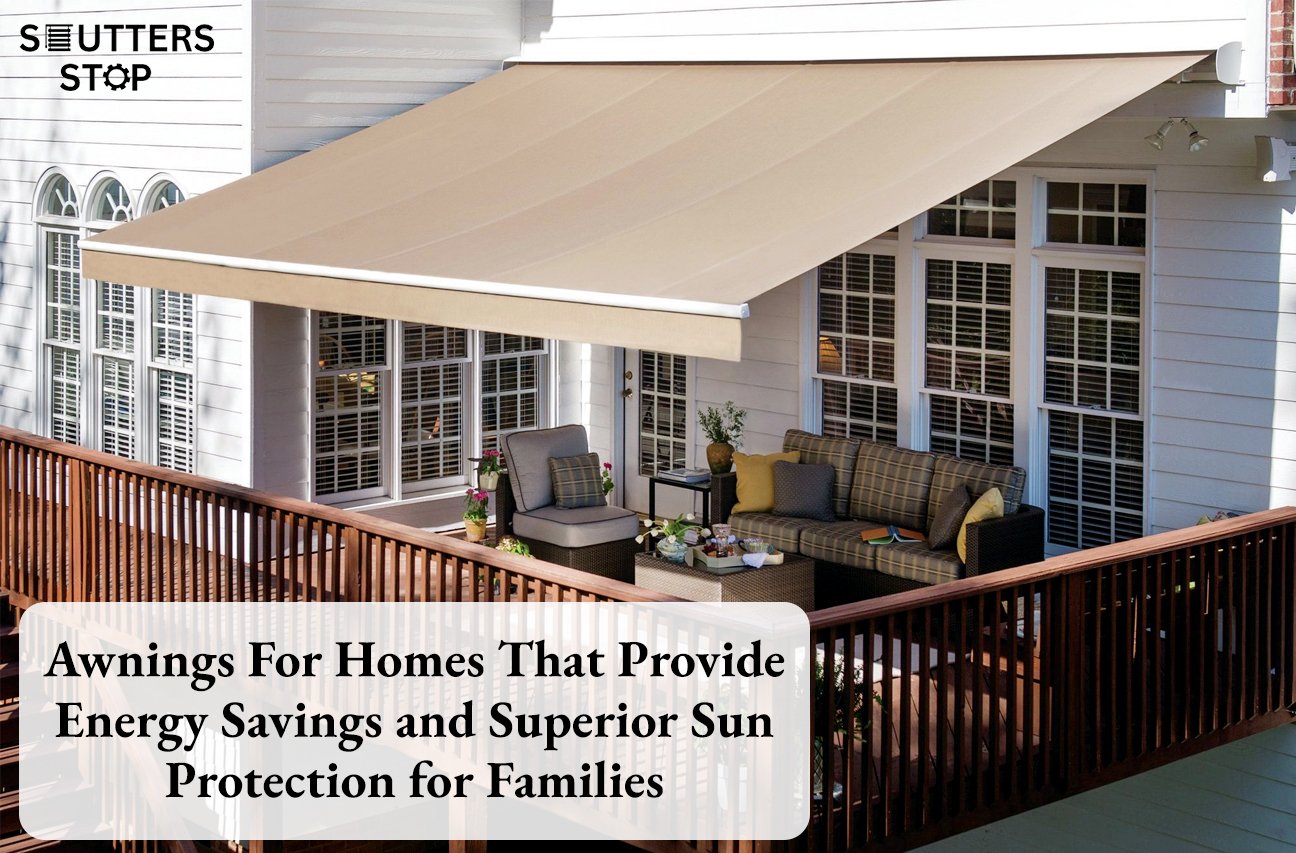
Every home handles sunlight differently. Some struggle with rooms heating up by afternoon, while others deal with glare that makes normal tasks uncomfortable. And then there are outdoor spaces that look usable — but become too hot to actually enjoy. Awnings for homes are becoming the practical answer to all of this. Not as luxury fittings, but as everyday tools to manage sunlight, protect families, and make the home function better — inside and out.
This guide covers every key question a homeowner might have — from how awnings work to which type is worth considering. By the end, there should be no doubt about whether awnings fit your home or not.
What Awnings For Homes Actually Do
An awning creates shade before sunlight reaches your glass surfaces. It attaches above doors, windows or patios and filters the sun’s intensity right at the source. That single step makes the room behind the glass feel cooler, even during high-temperature hours.
Awnings for homes don’t just change how you live. They simply give your home control over sunlight instead of reacting to it. That’s why many homeowners see them less as add-ons and more as improvements to daily comfort.
Awnings For Homes & Energy Savings
Sunlight that directly hits glass raises the indoor temperature quickly. That leads to more air-conditioning needs, higher electricity usage. A home that feels harder to maintain during summer. Awnings for homes stop that heat before it enters. This helps indoor spaces remain cooler. So less reliance on appliances. You can feel the visible difference if there is even a slight reduction in temperature across a whole season. And it’s consistent, and consistency is what improves comfort over time. Here’s the basic sequence most families notice:
Sunlight hits the awning instead of the window.
Indoor heat rises more slowly.
AC doesn’t work as hard.
Bills gradually reduce.
Helping Families Enjoy Outdoor Space Safely
Though sunlight is important, the exposure needs a balance, too. With awnings for homes, balconies and patios comes in use all the time again (without that harsh glare). A shaded space becomes a spot to read, relax, or let children play. This all without risking overexposure. Older family members often appreciate the slight drop in temperature more than they expect. Key benefits are simple. This is what makes awnings feel like a part of the home — not just decoration:
Controlled sun exposure without shutting out light.
UV protection for skin and furniture.
Safer use of outdoor areas across longer hours.
Cooling effect without air-conditioning.
Types of Awnings For Homes — And Their Best Uses
Choosing an awning shouldn’t feel complicated. The right choice depends on how a space is used, not only what looks appealing. Expert guidance offered by Shutters Stop UK makes type selection far simpler. Factoring in weather, angle, and usage. And this breakdown helps homeowners understand the purpose at a glance:
Retractable awnings Great for changing sunlight. Extend when needed. Fold when not.
Fixed awnings – Useful for spots that get steady heat through the year.
Motorised awnings – Suitable for high floors or easy remote control.
Fabric-based awnings – Airflow-friendly. They blend naturally with most home exteriors.
Placement & Direction — Where Awnings For Homes Work Best
The position of the awning decides how well it performs. It’s not about covering the home — it’s about placing it where sunlight has the most impact. Correct placement often doubles efficiency without increasing cost.
Common patterns across UK homes:
- South-facing windowstake the strongest sun — they benefit most from awnings.
- East-facing sides catch morning warmth — awnings regulate light gently.
- West-facing windows turn to heat up fast in the afternoon. So shade does amazing here.
- North-facing areas need awnings not for the purpose of preventing sunlight but more for the purpose of rain control.
How Awnings Compare with Other Sun-Control Methods
Most families first try indoor solutions. They help — but they don’t always solve the problem. That single difference — treating sunlight at the source — is what makes awnings a long-term, practical option rather than a temporary fix. Here’s a clear comparison without technical language:
- Curtains cut glare but hold heat inside.
- Window film can work, but it doesn't create outdoor shade.
- Blinds often darken rooms too much.
- Awnings for homes work outside, keeping heat away before it enters.
Long-Term Value Homeowners Actually Gain
Awnings for homes are often seen as comfort upgrades — not just financial decisions. They help create a living environment that feels easier to maintain. The benefits of awnings develop quietly over time. They improve everyday life in ways that matter. What homeowners commonly experience:
- Cooler rooms without heavy AC use.
- Comfortable outdoor corners that actually get used.
- Less fading of furniture and flooring.
- Balanced natural light indoors.
- Better airflow under shade.
- More predictable home temperature during summer.
Why Professional Guidance Matters
Installation involves more than fitting a frame. The right angle, fabric strength, wall type, airflow gap, and wind resistance all influence performance. This is where skilled assessment makes a major difference. Shutters Stop UK offer practical guidance rather than guesswork — and in many cases, even a single visit helps avoid costly adjustments later.
What You Truly Get with Awnings For Homes
- Protection from harsh sunlight.
- A more controlled indoor temperature.
- Lower reliance on cooling systems.
- Healthier light exposure outdoors.
- UV protection for skin and interiors.
- Better ventilation in shaded areas.
- More value from the home across seasons.
To Sum Up
Your home is built to shelter you, not challenge comfort. If sunlight is making rooms harder to manage or outdoor areas harder to use, well-planned awnings for homes could be all it takes. Shutters Stop UK don’t begin with estimates — we begin with questions about how your home works.
Let your home enjoy the UK weather its own way — add shade when the sun arrives, shelter when the rain knocks, and style that stays all year round. Your perfect awning is just a conversation away.
Ring us: +44 74 4136 5100
Reach us by mail: info@shuttersstop.co.uk
