7 Common Causes Of Roller Shutter Damage And Repair?
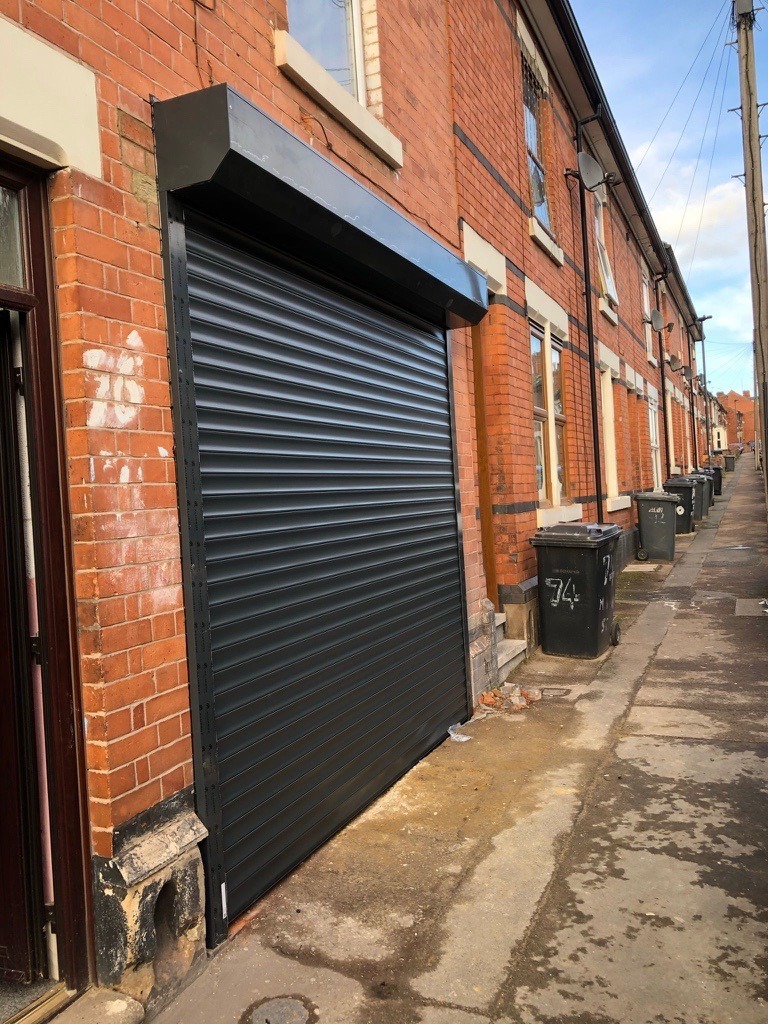
Most people do not think much about buying roller shutters for windows & doors. It goes up in the morning, comes down later, and that is about it. The trouble becomes obvious when it starts behaving differently. Maybe it sticks halfway. Maybe there is a harsh scraping noise. Sometimes it simply refuses to move.
It can be something. Years of use, dirt in the tracks, bad weather, or a bump can all leave a shutter needing attention. Spotting the signs early is beneficial because a small repair on a shutter is generally better than a replacement in the end.
Years of Regular Use
Every day, a window cover that is opened and closed moves a lot. Over years, the parts of the window cover, such as springs, spools, tracks, and panels, can begin to show signs of damage, and this damage can affect the window cover’s performance.
It’s not easy to notice at first. The cover may still function. It does not make the same noise or feel the same way.
Keep an eye out for:
- More noise during opening.
- A curtain that moves slowly.
- Loose or worn slats.
- Extra effort when lifting it.
- A slight change in its position.
It is the same for Roller Shutters For Windows & Doors. Frequent use does not necessarily mean the entire shutter needs replacing.
If the shutter fails completely, the problem gets much worse. A shop or office could end up without a working entrance. A security shutter might get stuck in place, leaving things open or closed when they shouldn’t be. That makes the situation more serious. In those situations, Emergency Roller Shutter Repair may be needed.
Rubbish Has Collected in the Tracks
The narrow guides at either side of the shutter can collect all sorts of things. Dust is common. Outside shutters may also pick up leaves, grit and tiny stones.
You may not notice the build-up until the curtain starts catching against it.
Typical signs include:
- A scraping sound.
- Jerky movement.
- The shutter stopped halfway.
- One side moving differently.
- The bottom edge sits unevenly.
If loose dirt is visible and easy to remove, cleaning the area may help. But a shutter that is properly jammed should not be forced. Extra pressure can bend or damage the slat.
An Impact Has Bent Something
A shutter can take a fair amount of punishment, but it is not indestructible. A reversing vehicle, a trolley, or a piece of equipment can hit the curtain and knock it out of shape.
The damage may be limited to one section. That does not mean it can be ignored.
After an impact, look for:
- Dented slats.
- Bent side guides.
- Gaps near the edges.
- Loose sections.
- Uneven movement.
If the shutter has taken a hit, avoid running it up and down repeatedly. A bent section can rub against the guides and put unnecessary strain on other parts of the system.
The Motor Is Struggling
An electric shutter can develop motor trouble without warning. One day it works normally; the next, it stops halfway or makes a sound without actually lifting the curtain.
There are a few different clues.
You might notice:
- A humming motor with no movement.
- Slower operation.
- Sudden stops.
- Intermittent response.
- No response from the control.
It is worth checking more than the motor itself. Wiring, the switch, or the power supply can also cause similar symptoms. Pressing the control repeatedly will not identify which part has failed.
The Spring Is No Longer Doing Its Job
Springs are easy to ignore because they are tucked away inside the shutter system. They help support the weight of the curtain, holding it steady. You don’t see them. They do the work. Without them, the curtain would fall. Fall. They keep everything in place, quietly doing their job.
When one becomes weak or breaks, the shutter can feel completely different.
For example:
- It becomes difficult to lift.
- The curtain drops more readily.
- One side sits lower.
- It will not remain open.
- Manual operation suddenly feels heavy.
This is not a part worth experimenting with at home. A shutter spring can be under a lot of tension. Incorrect handling can cause serious injury, so this type of fault needs proper attention.
Rain Has Led to Corrosion
Outdoor shutters must deal with rain, wet air, and temperature changes. Eventually, water can enter through paint or a worn protective layer and get to the metal below.
Rust often starts quietly. A small orange patch can later spread around a fixing, bracket, or moving section.
Look for:
- Orange or brown marks.
- Peeling coating.
- Rust around screws.
- Rough patches on the metal.
- Increasingly stiff movement.
A small amount of surface rust is not equal to corrosion. When rust has weakened a part, simply covering rust with paint will not fix the root corrosion issue.
Nobody Has Paid Attention to the Warning Signs
Sometimes the shutter has not suffered one dramatic failure. It has simply been left alone for too long.
The strange noise was ignored. The slightly slower movement became normal. A loose fitting stayed loose because the shutter was still usable.
That is how small faults can grow.
During a quick visual check, look at:
- The slats and bottom edge.
- Side guides.
- Visible screws and brackets.
- Areas showing rust.
- Anything that looks different from normal.
For people looking at replacement products or shutter components, Shutter Store UK provides another place to compare available options.
Repair It or Replace It?
A damaged shutter does not automatically mean buying a new one. If most of the curtain is still in good condition, replacing the faulty spring, motor, guide, or damaged slat may be enough.
Replacement starts to make more sense when the problems are spread across the shutter rather than limited to one area.
Things that deserve a proper inspection include:
- Frequent breakdowns.
- Several damaged sections.
- Heavy corrosion.
- Repeated jamming.
- A curtain that hangs noticeably crooked.
If the shutter is old and several major parts are already worn, spending money on one repair rather than buying roller shutters for Windows & Doors may not be practical. On the other hand, replacing a perfectly usable shutter because of one faulty component can also be unnecessary.
