Shop Front Shutters: How to Choose the Right Shutter Material for High-Traffic London Streets
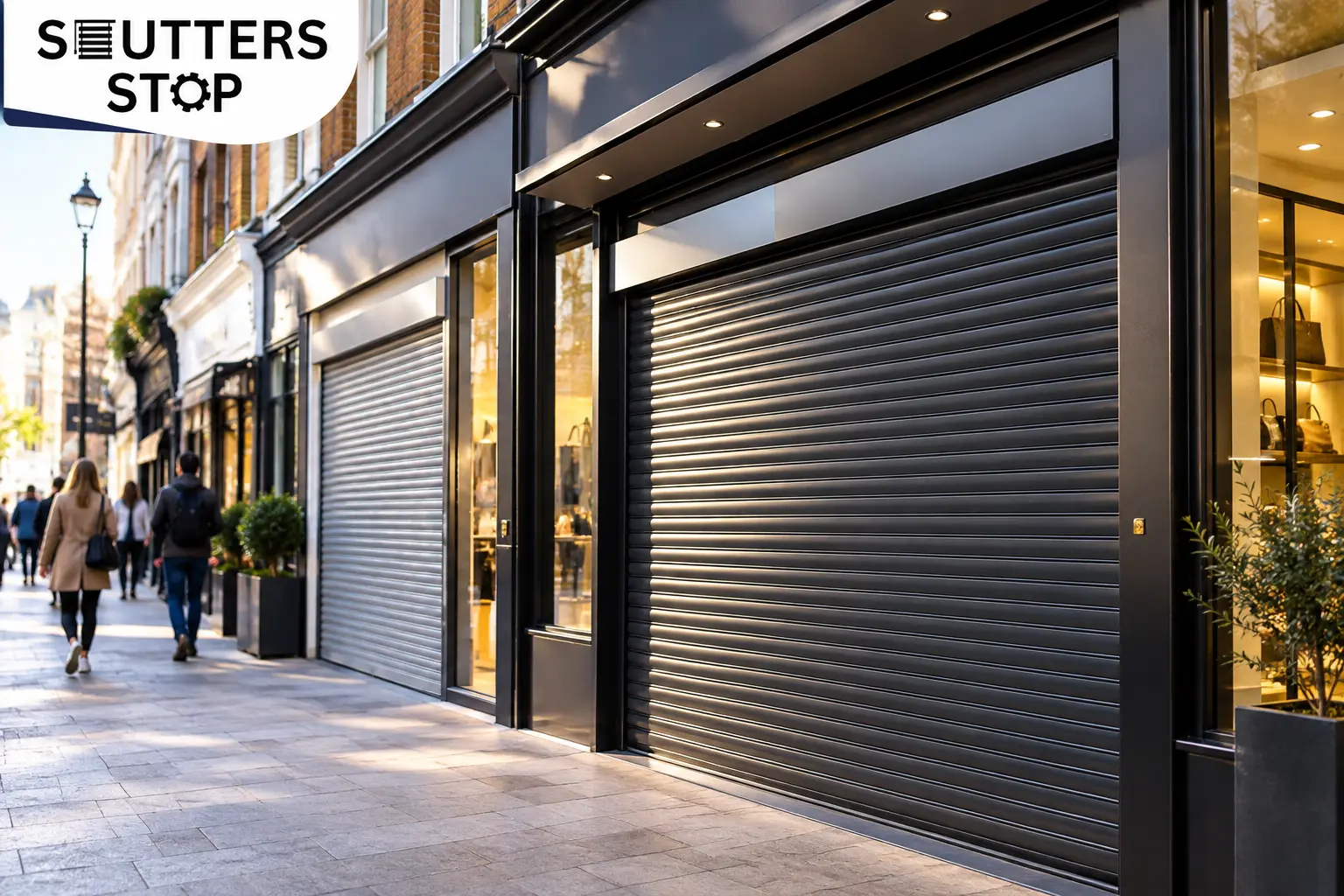
A shop on a busy London street has a different set of problems from one tucked away on a quiet road. Doors get used constantly. Deliveries arrive at awkward times. Dust and dirt build up quickly, and once the shutters come down at night, the shop needs to be properly secured. That is why choosing the right shop front shutters deserves a little thought. You are not only buying a security feature. You are choosing something that will be opened and closed every day.
So, the shutters are the first impression of a shop. Choosing material from aluminium, steel and timber depends on where your shop is located, your premises, your budget and what matters most to your business.
Look At Your Street Before Looking At Materials
Start outside your own shop. It sounds obvious, but the surroundings can tell you quite a lot. A shop beside a railway station may have people passing all day, while a small independent store on a quieter street might have a completely different routine. Some businesses need their shutters mainly for overnight security. Others may use them several times during the day.
Before getting quotes, think about:
- How busy the entrance is.
- How frequently the shutter will be operated.
- Whether deliveries need to pass through the entrance.
- How exposed the frontage is to rain and dirt.
- Whether security or appearance is the bigger concern.
- How much maintenance you are comfortable handling.
Aluminium Is Worth Considering For Modern Shops
Walk along many commercial streets, and you'll see aluminium used in different forms. It has a clean appearance and doesn't have the same weight as some other shutter materials, which can make everyday operation easier.
For businesses with a contemporary frontage, Aluminium Shopfronts can also create a neat overall appearance rather than making the security system look like an afterthought.
Another reason businesses consider aluminium is maintenance. It generally doesn't need the same sort of ongoing surface treatment associated with timber.
You might choose aluminium if you want:
- A relatively lightweight shutter.
- A modern-looking finish.
- Several colour or finish options.
- Straightforward everyday cleaning.
- A material that works well with contemporary shopfront designs.
Timber Gives a Very Different Look
Not every business wants a metal shutter dominating its frontage. A traditional pub, independent cafe or character property may call for something warmer. In those situations, timber shop fronts can make sense because the material has a very different visual quality from aluminium or steel.
Timber can be painted, stained or designed to match an existing building. It can help a newer business fit into an older-looking street rather than standing out for the wrong reasons.
There is a catch: timber needs looking after heavy rainfall and heatwave exposure. Regular painting, sealing, and other treatments may also be required, according to the finish and the type of timber used.
So, before choosing timber, ask yourself:
- Am I happy to carry out regular maintenance?
- Does the building suit a traditional appearance?
- Will the frontage be exposed to bad weather?
- Does the timber need to match existing doors or windows?
- What will maintenance cost over several years?
London Weather and Street Dirt Matter Too
Nobody in London needs reminding that rain can arrive when you least expect it. Add traffic fumes, dust, bird mess and general high-street grime, and the front of a shop can get dirty surprisingly quickly. The shutter doesn't escape any of this.
A shop front shutter material that is easy to wipe down may be preferable for a shop that wants the frontage looking tidy without spending hours maintaining it. Other materials can work just as well, but may need more attention to their finish. Don't wait until something starts sticking or making an odd noise before checking it.
A few simple habits help:
- Keep shutter tracks clear.
- Remove dirt before it builds up.
- Look for damaged finishes.
- Pay attention to unusual sounds.
- Have mechanical problems checked early.
- Follow the manufacturer's maintenance guidance.
Don't Compare Only Quotes
Getting three quotes and choosing the cheapest one sounds straightforward. With shutters, it isn't always that simple.
Two quotations can look similar while covering quite different products. One may include installation, controls, and certain finishing work, while another may leave some of those costs out. When comparing quotes, check what you're actually getting.
Look at:
- Material and shutter design.
- Measurements and installation.
- Motor or manual mechanism.
- Locks and security features.
- Finishing or painting.
- Warranty terms.
- Future servicing.
So, Which Material Should You Choose?
There isn't one material that belongs on every London high street. Aluminium can suit a business looking for a modern appearance and relatively simple upkeep. Aluminium does not come in just one category; it offers a wide variety. You can choose according to your preference.
Key: ✅ generally suitable
⛔ not a main feature
🔶 depends on design
| Aluminium shutter design | Leight wight | Security | Ventilation | Modern look | Visibility | Low maintenance |
|---|---|---|---|---|---|---|
| Roller shutter | ✅ | ✅ | ⛔ | ✅ | ⛔ | ✅ |
| Grille shutter | ✅ | ✅ | ✅ | ✅ | ✅ | ✅ |
| Perforated shutter | ✅ | ✅ | ✅ | ✅ | ✅ | ✅ |
| Ventilated shutter | ✅ | ✅ | ✅ | ✅ | 🔶 | ✅ |
| Solid shutter | 🔶 | ✅ | ⛔ | ✅ | ⛔ | ✅ |
| Folding shutter | ✅ | ✅ | ✅ | ✅ | ✅ | ✅ |
The same applies to timber shutters, which come with a wide range of choices. Timber can be a good fit where the appearance of the building matters just as much as the practical side.
| Timber shutter design | Leight wight | Security | Ventilation | Traditional look | Visibility | Low maintenance |
|---|---|---|---|---|---|---|
| Roller shutter | 🔶 | ✅ | ⛔ | ✅ | ⛔ | 🔶 |
| Folding shutter | ✅ | ✅ | ✅ | ✅ | ✅ | 🔶 |
| Louvered shutter | ✅ | 🔶 | ✅ | ✅ | ✅ | 🔶 |
| Slatted shutter | ✅ | ✅ | ✅ | ✅ | ✅ | 🔶 |
| Solid panel shutter | 🔶 | ✅ | ⛔ | ✅ | ⛔ | 🔶 |
| Sliding shutter | 🔶 | ✅ | ✅ | ✅ | 🔶 | 🔶 |
Conclusion
Choosing Shop Front Shutters isn't simply a matter of picking the strongest material available. The shutter needs to fit the building, cope with regular use, and provide the level of security your business requires.
For one shop, aluminium may be the sensible route. Another may need steel, while a traditional property could benefit from timber. Take the time to compare the materials, the operating system, and the installation as one complete package.
A good shutter should do its job quietly in the background. You should notice its reliability, not have to think about it every morning.
